


Total knee replacement surgery, or knee arthroplasty, is a common procedure to relieve pain and restore mobility in individuals with severe knee joint damage caused by arthritis or injury. This surgery replaces the damaged surfaces of the knee joint with prosthetic components, allowing smoother movement and reduced discomfort. While the surgery itself is transformative, the recovery process heavily relies on rehabilitation exercises.
Post-surgery exercises improve mobility, reduce stiffness, prevent complications like blood clots, and accelerate recovery. Rehabilitation is a partnership between the patient, surgeon, and physical therapist, ensuring a return to an active, pain-free life.
Why Knee Exercises Are Important After Knee Surgery
In Canada, knee replacement surgeries are on the rise, with 55,285 knee replacements performed in 2020–2021, highlighting their prevalence and importance in improving quality of life. However, the success of the surgery doesn’t solely depend on the procedure; the rehabilitation process is equally essential.
After knee surgery, exercises strengthen the muscles around the knee joint, improve circulation, reduce swelling, and enhance overall knee function. Studies reveal that 90–95% of total knee replacements function effectively even after 10 years, emphasizing the importance of a comprehensive recovery plan that includes structured exercise routines.
Early Knee Exercises After Knee Surgery
Engaging in knee exercises after surgery strengthens the muscles around the knee joint, improves circulation, reduces swelling, and enhances overall knee function. A structured recovery plan is essential, and Timely Medical Alternatives can help connect patients with the resources they need to succeed.
Quadriceps Sets
Quadriceps sets involve tightening the thigh muscles without moving the knee. This exercise activates the quadriceps, which is vital in supporting the knee joint.
- How to Perform: Lie on your back with your leg straight. Tighten your thigh muscles by pushing the back of your knee down into the bed. Hold for 5 seconds, then release.
- Repetitions: Perform 10–15 sets, 3–4 times daily.
Straight Leg Raises
This exercise is designed to strengthen the muscles surrounding the knee joint without bending. It helps improve stability and support for the knee during the early stages of recovery.
- How to Perform: Lie on your back with one leg straight and the other bent. Tighten your thigh muscles and lift the straight leg about 6–12 inches off the bed. Slowly lower it back down.
- Repetitions: Perform 10 repetitions, 2–3 times a day.
Ankle Pumps
This simple exercise improves blood circulation in the legs, preventing blood clots after surgery. It also helps reduce swelling and keeps the lower limb muscles active.
- How to Perform: Lie on your back and flex your ankles by pointing your toes up and down.
- Repetitions: Perform this exercise for 2–3 minutes every hour while awake.
Knee Straightening Exercises
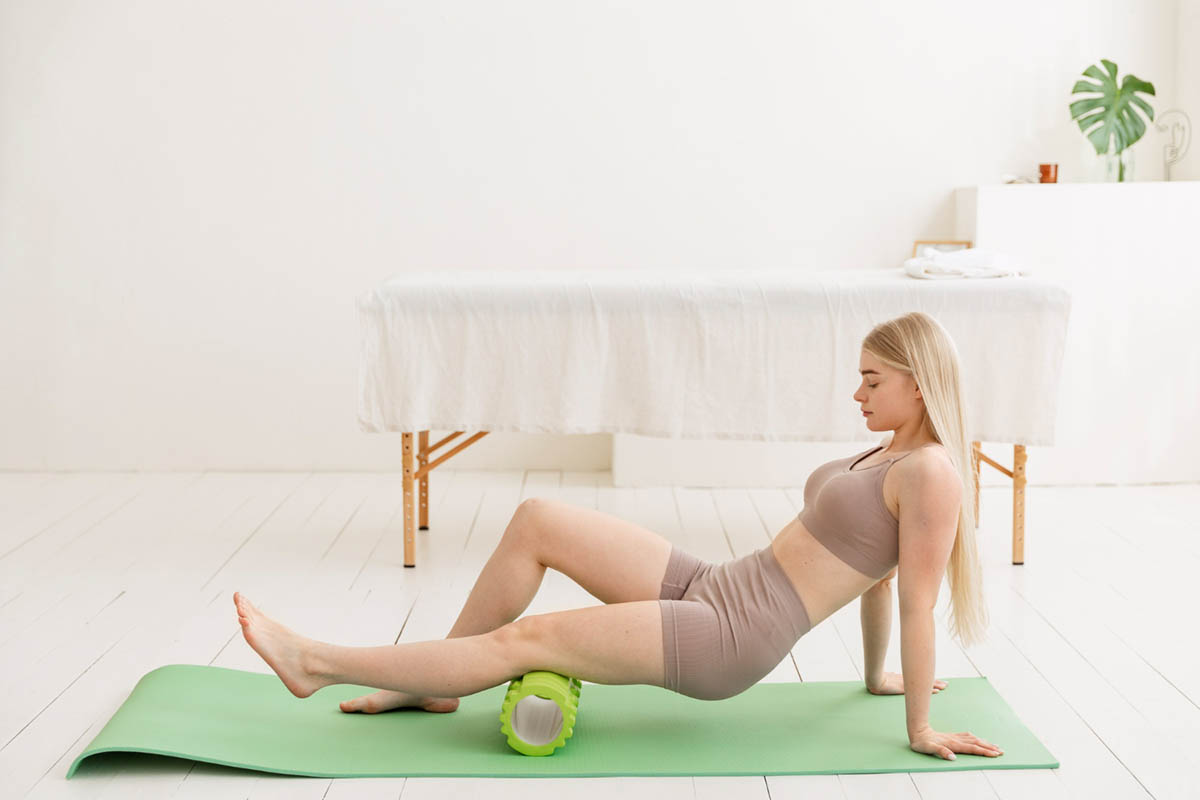
This exercise focuses on restoring full knee extension, which is essential for proper walking mechanics. It also strengthens the muscles supporting the knee to improve overall stability.
- How to Perform: Sit with your leg extended and a rolled-up towel under your ankle. Allow the weight of your leg to straighten the knee. Hold for 5–10 seconds.
- Repetitions: Perform 10 repetitions, 2–3 times a day.
Bed-Supported Knee Bends
This exercise is essential for improving knee flexibility and range of motion after surgery. It gently stretches and strengthens the joint to aid in recovery and mobility.
- How to Perform: Lie on your back with your legs straight. Slowly slide your heel toward your buttocks, bending your knee as far as possible. Use your hands for assistance if needed.
- Repetitions: Perform 10 repetitions, 2–3 times a day.
Sitting Supported Knee Bends
This seated exercise helps improve knee mobility by allowing gradual bending with added support. It is ideal for gently increasing flexibility and regaining range of motion.
- How to Perform: Sit on a chair with your feet flat on the floor. Slide your foot back as far as possible under the chair, using your hands for assistance.
- Repetitions: Perform 10 repetitions, 2–3 times a day.
Sitting Unsupported Knee Bends
This exercise improves knee mobility and strength by bending without external support. It helps build independence and confidence in movement during recovery.
- How to Perform: Sit on a chair and bend your knee backward as far as possible without using your hands.
- Repetitions: Perform 10–15 repetitions, 2–3 times daily.
Early Activities After Knee Surgery
Incorporating light activities early in recovery is essential for promoting mobility and preventing complications. These activities help rebuild strength, improve circulation, and restore confidence in movement.
Walking
Walking is a critical component of knee replacement recovery. Start with short distances and gradually increase your endurance. As directed by your physical therapist, use a walker or crutches for support.
Stair Climbing and Descending
Stair exercises improve leg strength and confidence. When ascending, lead with your non-operated leg, and lead with your operated leg when descending. Remember the mantra, “Up with the good, down with the bad.”
Advanced Exercises and Activities
After completing the early stages of recovery, exercises after knee replacement surgery play a crucial role in building strength, flexibility, and endurance. These exercises are essential for individuals undergoing a knee replacement in Canada, ensuring long-term success in returning to daily activities.
Standing Knee Bends
Stand while holding onto a stable surface for balance, bend your operated knee backward as far as possible, and then straighten it fully. This exercise helps improve flexibility and strength in the knee joint.
Assisted Knee Bends
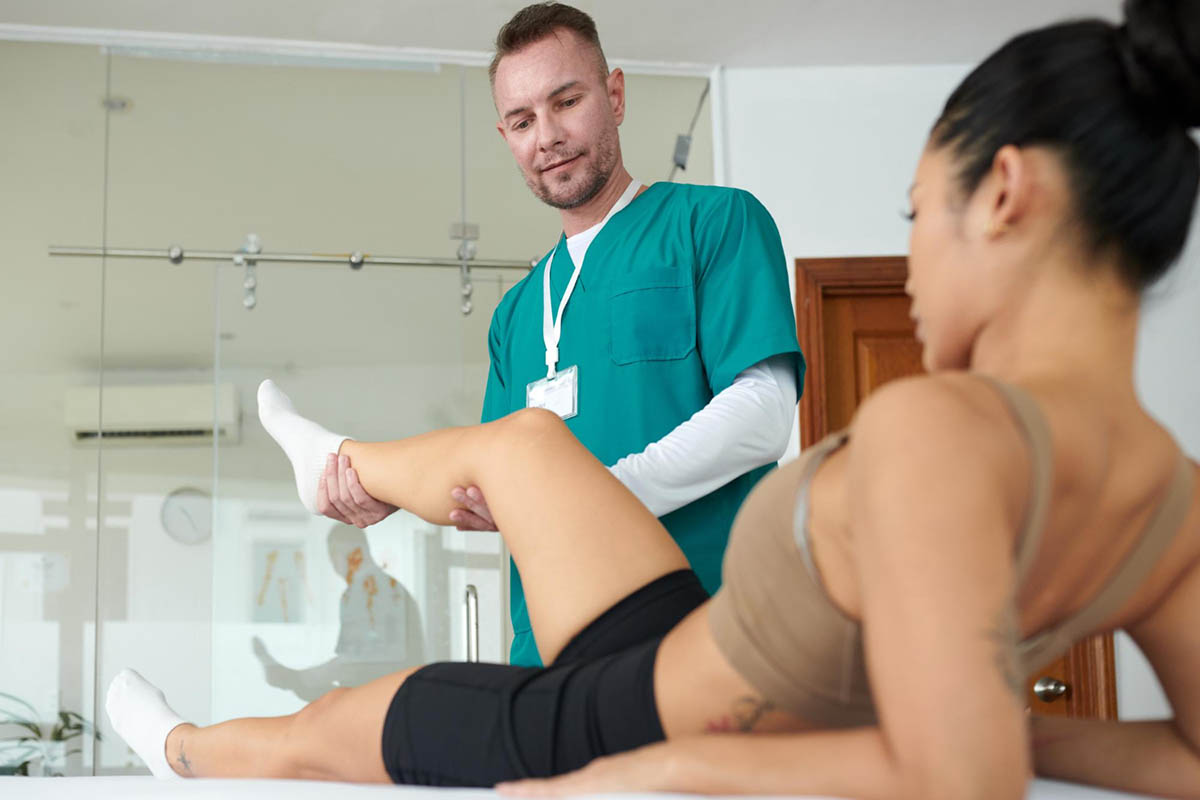
Using a towel or resistance band provides extra support as you gently bend your knee beyond its unaided range. This exercise gradually enhances mobility and flexibility.
Knee Exercises with Resistance
Incorporating resistance bands or light weights strengthens the muscles surrounding the knee and improves joint stability. These exercises are an essential part of advanced recovery.
Exercycling
Pedaling on a stationary bike helps improve knee mobility and rebuild strength in a controlled manner. Starting with backward pedaling and progressing to forward motion encourages gradual improvement.
When to Start Knee Exercises After Knee Surgery
Physical movement and exercise—some with a physical therapist and some on your own—are critical to recovery from knee replacement surgery. Generally, exercises should begin within 24 hours post-surgery, starting with gentle movements and gradually progressing as the knee heals. Consult your surgeon or physical therapist to develop a personalized rehabilitation plan.
Conclusion
Recovering from total knee replacement surgery is a journey that requires commitment, patience, and perseverance. By incorporating these recommended exercises, patients can regain strength, flexibility, and mobility, paving the way for a more active and pain-free life. Following a structured rehabilitation plan is key to achieving long-term success and returning to daily activities with confidence.
FAQs
How do you exercise a stiff knee after surgery?
To address knee stiffness, start with simple exercises like quadriceps sets, ankle pumps, and gentle knee bends to improve mobility. Gradually progress to more advanced activities such as resistance training and cycling for enhanced flexibility and strength.
How many times a day should you exercise after knee surgery?
Rehabilitation exercises are typically recommended 2–3 times daily, with adjustments based on your stage of recovery and your physical therapist’s advice. Consistent practice ensures optimal healing and mobility improvement.
What is the best exercise equipment after knee replacement?
Stationary bikes, resistance bands, and lightweight dumbbells are among the most effective tools for post-surgery knee rehabilitation. They promote gradual strengthening, improved range of motion, and better overall knee function.
